Blog
You have habits you don’t know you have

There’s a version of you that shows up when the door closes, the phone is face down, and there is nobody in the house.
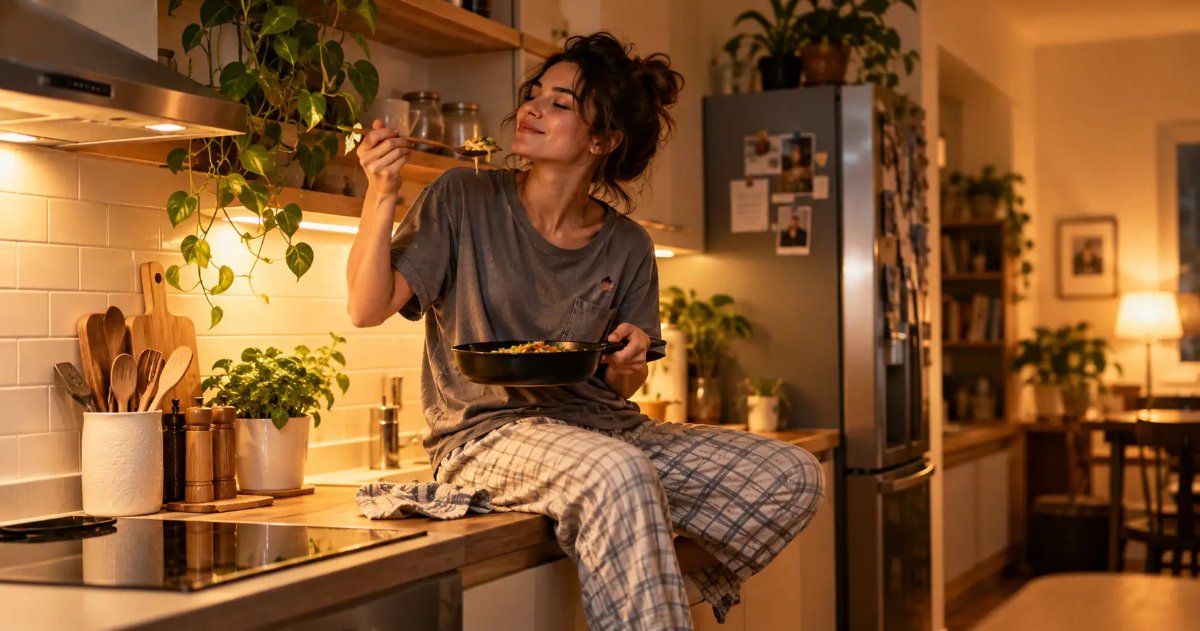
- This version eats dinner standing at the kitchen counter, sometimes out of the pan.
- This version sings a bit while brushing teeth.
- This version has entire conversations with itself in the bathroom mirror, wears the ancient T-shirt with the hole in the armpit, and is fully at peace with all of it.
By a wide margin, this is the most honest version of you that exists.
These private habits reveal a side of your routine that nobody else gets to see.
This is the version your habits are being built by. Not the one you present at work, and not the one you post from. The private one. The one who’s chosen, over the course of a thousand small unwatched decisions, what you do when nobody has an opinion about it. That version is the sum of your habits, and it’s been running the show for years, whether or not you’ve been paying attention.
The habits we don’t usually talk about
Most of what we talk about when we talk about habits is the public version.
- The morning routine you’d tell a friend about.
- The workout you can log.
- The three books you’re reading.
- The visible things.
What gets less airtime, because it’s less flattering, is the entire second layer of behaviours that happen when there’s no witness.
- Whether you eat over the sink or sit down.
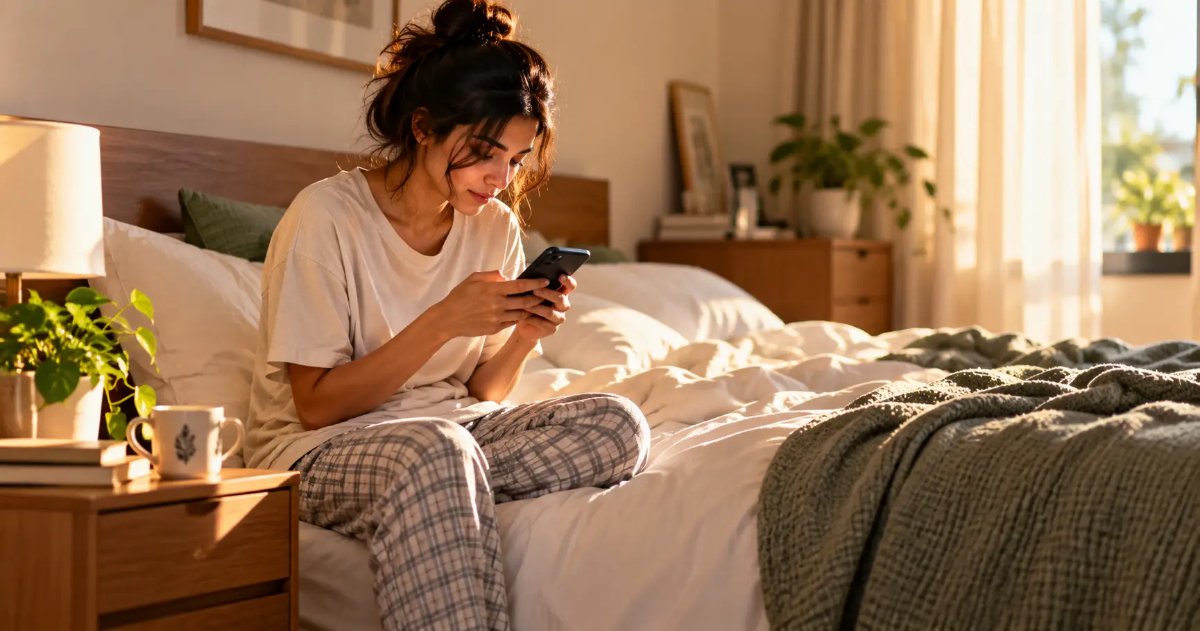
- Whether you scroll for forty minutes before getting out of bed.
- Whether you shower every day or every three days when you’re working from home.
- Whether you brush your teeth before bed on the nights you’re too tired.
These are the habits that make up the real texture of your life, and almost none of them are being tracked by an app. These daily routines often shape your life more than the habits you deliberately track.
Everyday habits we rarely notice
- Scrolling on your phone before getting out of bed.
- Eating meals without sitting down.
- Skipping parts of your bedtime routine when you’re tired.
- Maintaining visible routines while overlooking private ones.
What your unwatched behaviour reveals
The interesting thing about unwatched behaviour is that it’s the most honest signal of what you actually value, because there’s no incentive to perform. If you cook a proper meal for yourself on a Wednesday night when nobody is coming over, you value taking care of yourself. If you eat cereal for dinner standing at the counter, you’re saying something else. Neither of these is a moral judgment. They’re just data about who you are when the audience leaves.
Things to notice in your everyday behaviour
- How you take care of yourself when nobody is around.
- The little comforts you create for yourself.
- The choices you make when there is no pressure to impress anyone.
Your public self and your private one
A lot of self-improvement content misses this completely. It focuses on the visible habits because they’re easier to sell. The morning routine, the productivity system, the workout plan. Meanwhile the private habits, the ones that make up something like eighty percent of your actual life, run in the background, largely unexamined. You could have the most impressive morning routine on your street and still be someone who eats standing over the kitchen bin at 10pm.
Both things can be true. Usually are.
The contrast worth noticing
- The morning routine everyone sees.
- The productivity habits you share.
- The private routines that rarely get attention.
- The difference between how you present yourself and how you live.
Observe without judgement
There’s a useful practice in looking at your unwatched habits without judgment for a week or two. Not to change them, at first. Just to see them. Which are the ones you’d be fine explaining to someone you respect? Which would embarrass you slightly? Which do you not even notice you’re doing until you catch yourself mid-action? The point isn’t to become a person whose private life would survive a documentary. That would be exhausting, and also weird. The point is to know what’s there. That kind of self-awareness is an important part of understanding your own behaviour.
A simple self-awareness exercise
- Notice what you do when you’re alone.
- Identify the habits you repeat without thinking.
- Reflect on what triggers certain behaviours.
- Observe without immediately trying to change anything.
The small rituals worth keeping
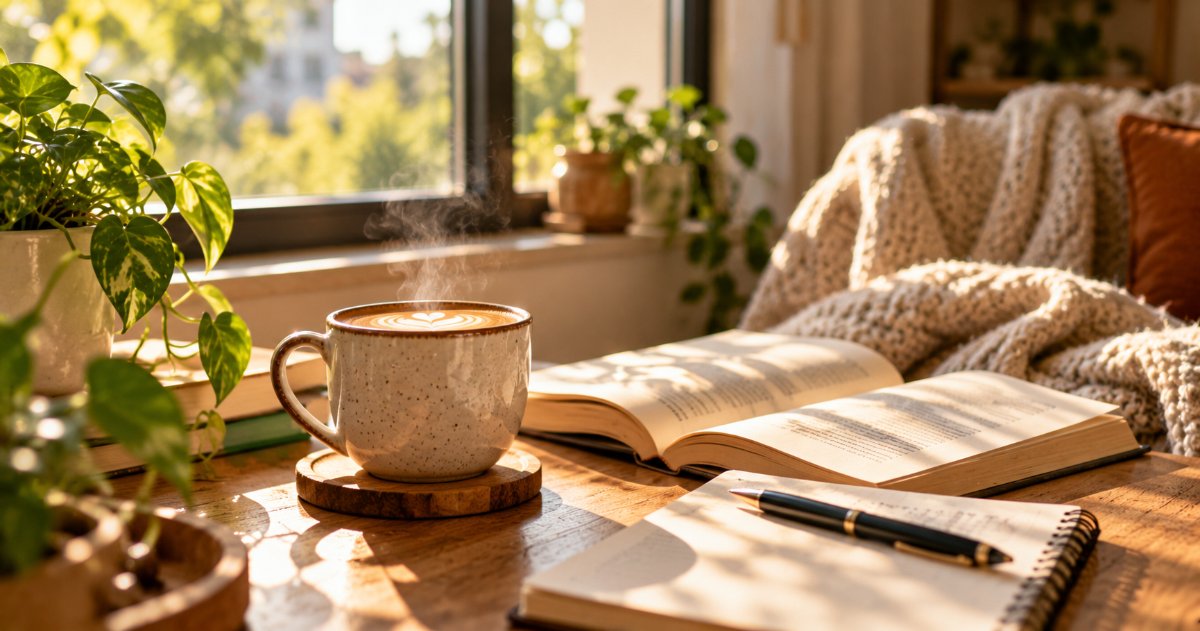
Some of your unwatched habits are lovely and worth keeping. The little rituals you have for yourself. The way you make your morning coffee in a very specific order. The song you always play while cleaning the kitchen. The small things you do to make your own life more pleasant when there’s no one to enjoy them but you. These are the habits that suggest you like yourself, and they’re worth protecting.
Small rituals that make everyday life feel better
- Making your morning coffee just the way you like it.
- Playing your favourite song while cleaning.
- Creating small moments of comfort at home.
- Enjoying your own company without needing an audience.
The habits that compensate
Some of them are less good, and worth looking at. The behaviours that only happen when you’re tired or stressed or lonely, and that you’d be uncomfortable showing anyone else. These are usually the ones the rest of your habits are compensating for. The elaborate morning routine covering for the late-night scroll. The wellness Instagram grid covering for the delivery food. The performance version of your life covering for the private version, which is doing much of the actual work of being you.
This is where habit formation becomes interesting: the behaviours you repeat privately can become deeply established without ever being consciously planned.
Patterns worth reflecting on
- Late-night scrolling despite a carefully planned morning routine.
- Relying on convenience when stress or tiredness takes over.
- Maintaining an ideal image while overlooking everyday needs.
- Repeating behaviours without consciously choosing them.
Build habits for the real you
The version of you that shows up when nobody is watching is not a problem to be fixed.
It’s just the truest version, and it deserves better treatment than it usually gets. It’s the one who benefits most when you build habits for the private self instead of for the audience.
The small kindnesses of a life that nobody sees are the ones that matter, because that version is the one living it, most of the time, in the silent parts of the day when it’s just you, doing whatever you do, in the kitchen, in the bathroom, on the sofa, alone, and mostly fine.